A short thread on alcohol and culture, because I've been repeatedly asked to elaborate on my views.
Alcohol is not just a random drug — it has several socially very interesting properties:
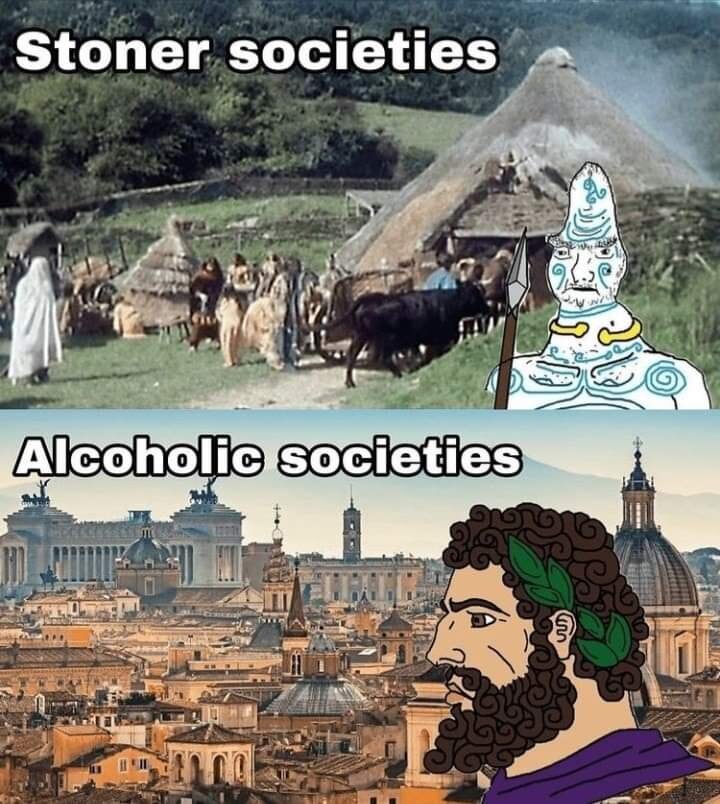
The special properties of alcohol
- It disinhibits and thus acts as a social lubricant
- It lowers risk aversion and enables young people to have formative experiences
- And most importantly: it’s a kind of “truth serum,” especially for young people
Trust through drinking together
This combination of effects shapes our society very deeply. For example, I generally have significantly less trust in people I’ve never been drunk with. Many people feel the same, though most aren’t consciously aware of it.
“Yeah, I know Hans well, I can trust him…”
Without asking themselves WHY they know Hans so well.
Culture is crucial
You can’t just park a small truck full of booze in front of culturally unaccustomed people and hope they’ll become best friends.
What happens then isn’t pretty — we see it in certain contexts like Native American reservations or with Muslim immigrants at central stations.
Alcohol must be deeply embedded in culture. And it is, in European cultures.
The unwritten rules
Across different European cultures, there’s a comprehensive, mostly unwritten set of rules for what to drink and how much, depending on the occasion. These rules don’t just ensure that each participant reaches the right level.
Just as important is that they make everyone else’s level unconsciously assessable.
Only then does alcohol’s most important effect — trust-building — truly unfold its potential.
Conclusion
Alcohol is a foundation of the European high‑trust society.
The drinking rituals and rules deeply embedded in our culture allow alcohol to produce its trust‑building effect without devolving into excess and loss of control. This cultural imprinting has developed over generations and fundamentally differs from societies without this tradition.